Introduction to Cremation Services and Repatriation
When someone passes away in a foreign country, their loved ones have to decide how to bring them home. This process is called repatriation. It’s not easy. Cremation services often play a big part in this. Why? Because it may make bringing someone back easier and sometimes, it’s what the person wanted. Now, cremation is when a body is turned into ashes using high heat. This is an age-old practice, respected in many cultures but not all. It’s important to understand this because the decision to cremate or not can be deeply emotional. It ties back to personal beliefs, cultural traditions, and sometimes, the laws of the land where the person passed away. So, when talking about bringing someone home, cremation is a choice that intertwines with heavy emotions and cultural significance. This choice can impact the grieving process, how people remember their loved ones, and even how they manage to say their final goodbyes.
The emotional journey of choosing cremation services
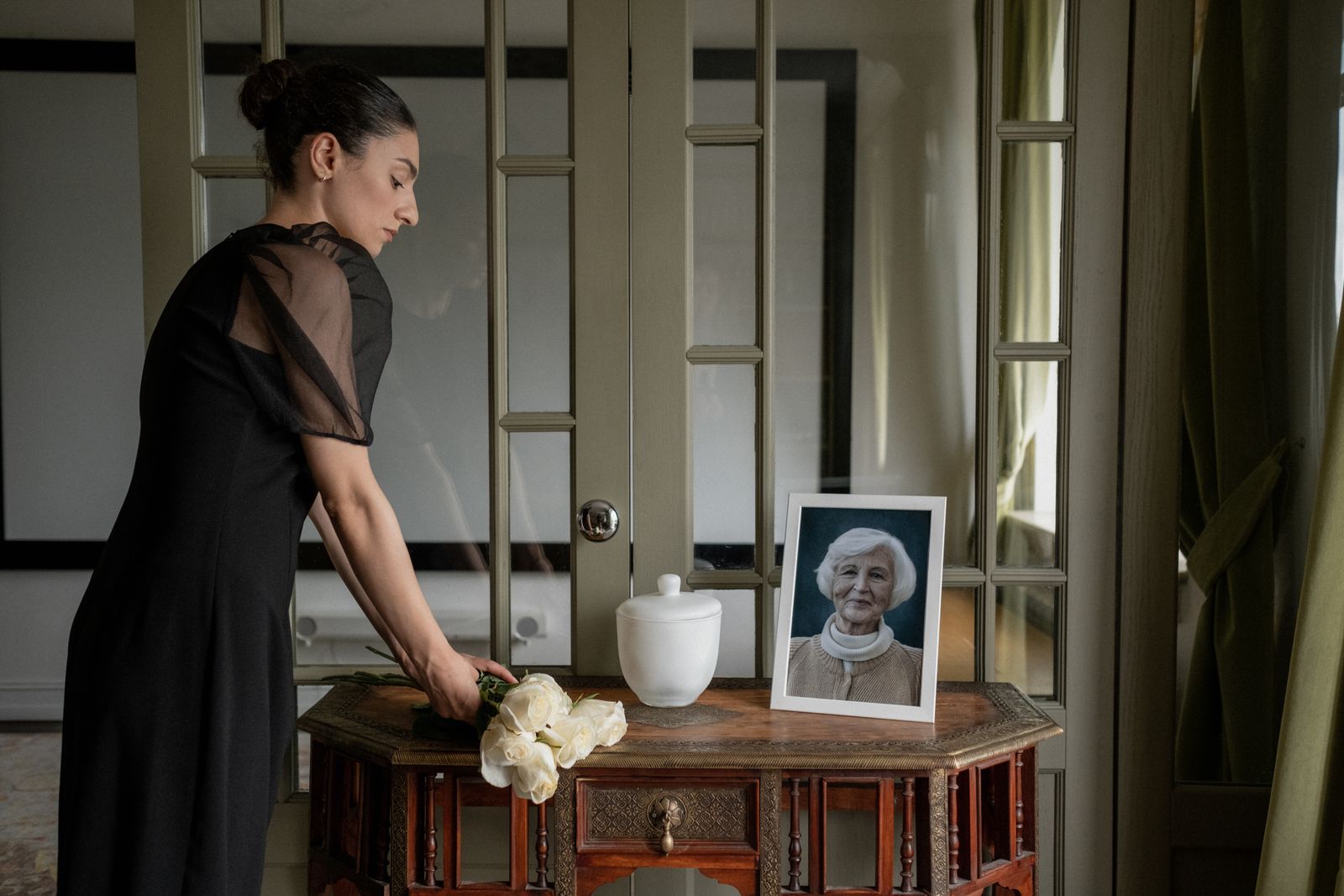
Choosing cremation services can stir a whirlwind of emotions. It’s a personal and often complex decision influenced by various factors, including cultural beliefs, individual values, and family traditions. For some, it represents a simpler, environmentally friendly alternative to burial. For others, it’s a way to honor their loved one’s wishes or to ensure that family members spread across the globe can have a part of their loved one with them. This decision can evoke feelings of peace, closure, and comfort for many families, knowing their loved one’s legacy carries on in a unique way. Yet, it’s not uncommon for individuals to grapple with feelings of guilt or uncertainty, wondering if cremation truly honors the memory and cultural heritage of their departed. Moreover, in families where opinions about cremation diverge, the decision-making process can spark intense discussions and emotional debates. It’s crucial to navigate these conversations with sensitivity and openness, remembering that each person’s grief journey is deeply personal. In the end, choosing cremation is a heartfelt choice that allows for personal touches and tributes, reflecting the essence of the loved one and the emotional bonds that tie them to those they’ve left behind.
Cultural significance of cremation in different societies
In many cultures, cremation is much more than a way to say goodbye to a loved one. It’s a deeply ingrained tradition that speaks volumes about a society’s beliefs and values. For some, cremation is seen as a way to free the soul, a necessary step for the departed to embark on their next journey. Take the Hindus, for example, who perform cremation along the Ganges River to release the soul and promote its reincarnation. For them, it’s a sacred act, rich in ritual and meaning.
In contrast, in Buddhist cultures, cremation symbolizes the impermanence of life, reflecting the teachings of Buddha. It’s a reminder that life is temporary, and holding on to the physical body is not essential in the cycle of rebirth.
Meanwhile, in Japan, cremation is almost universal, deeply rooted in both practicality due to limited land for burial and Buddhist traditions that emphasize freeing the spirit. This practice also ties into a broader cultural acceptance and preparation for death, with families often involved in the process, even to the extent of picking the bones from the ashes, signifying a final act of care and respect.
On the other end of the spectrum, cremation in Western societies has seen a rise, not so much for religious reasons but as a choice for its simplicity, affordability, and perceived environmental benefits. It represents a shift towards more personal, individualized forms of memorialization, allowing for a variety of final resting places, from traditional urns to more creative options like being pressed into a vinyl record.
Each approach to cremation carries its own set of symbols and meanings, revealing much about a community’s ethos, spirituality, and attitude towards death. It showcases the diversity of human culture in approaching life’s ultimate certainty, offering insights into how societies honor their dead and deal with the universal experience of loss.
Cremation services: A modern approach to traditional rites
Cremation has grown in popularity as a modern way to honor those who have passed. It’s not just about dealing with the physical remains but also about respecting the wishes and cultural backgrounds of the departed. Many see cremation as a way to keep their loved ones close, in the form of cremation jewelry or urns, or to return them to a place they loved, through scattering ashes. This method offers flexibility, allowing families to adapt traditional rites to today’s world. Whether it’s holding a memorial at a later date or choosing a meaningful location for scattering ashes, cremation caters to personal and cultural sentiments in a way traditional burials often can’t. Its acceptance reflects changing attitudes towards death rites, emphasizing personal significance and environmental considerations.
The logistical aspects of repatriation with cremation services
Navigating the logistical aspects of repatriation with cremation services involves a straightforward process but requires understanding specific regulations. First and foremost, engaging a reputable service familiar with international laws is crucial. They’ll handle the paperwork, ensuring compliance with both the originating and receiving country’s requirements. Typically, the cremated remains can be transported by family members or a designated individual, often needing an official death certificate, cremation certificate, and sometimes a sanitary certificate. The remains are usually carried in an urn that must pass through airport security. Regulations may vary, but generally, the urn needs to be made of a material that can be scanned, such as wood or plastic. Shipping the ashes through postal services is possible but involves a different set of regulations, including secure packaging and possibly additional customs documentation. Always check airline policies and country-specific requirements well in advance to avoid any complications. Simplifying these steps ensures a respectful and hiccup-free repatriation process, paying proper homage to the deceased and attending to the emotional needs of the family.
How cremation services facilitate easier repatriation
Cremation services simplify the repatriation of remains significantly. When you choose cremation, you’re looking at a process that reduces the physical remains to ashes. This means a lot when it comes to moving a loved one across borders. First off, ashes are much lighter and compact compared to a traditional burial body. This makes transportation easier and less expensive. You won’t need to deal with the complex logistics and high costs associated with transporting a casket internationally.
Moreover, many countries have strict regulations about transporting human remains. Cremation sidesteps many of these legal hurdles. With ashes, you’re less likely to face stringent inspections or quarantine procedures that can delay the process. Essentially, cremation turns a potentially complicated and bureaucratic process into something more straightforward.
Culturally, cremation can also align better with many beliefs and traditions, making the act of repatriation not just a physical return but a spiritual journey back home. For families spread across the globe, this can be a comforting aspect, knowing their loved ones are returned to their homeland in a respectful and culturally sensitive manner. In essence, cremation offers a practical and respectful solution to repatriation, easing both physical and emotional burdens.
Psychological impacts of cremation on the bereaved during repatriation
When a loved one passes away in a foreign land, the decision to cremate and then repatriate the ashes back home is tough. It’s not just about logistics; it’s also about dealing with a whirlwind of emotions. For many, cremation is a gentle way of saying goodbye, a method that provides closure. Yet for others, it can stir up deep feelings of unease or sorrow, especially when cremation is not in line with their cultural or religious beliefs.
Cremation can alter the traditional mourning process. With ashes, there’s something tangible yet so vastly different from a burial site. Some find comfort in keeping their loved one close, perhaps in a beautiful urn on the mantelpiece. Others may feel a disconnect, missing the physical space where they can lay flowers or simply sit and talk to their loved one.
The psychological impact varies widely. For many, it can bring a sense of peace, knowing their loved one’s ashes are returned to their homeland, resting among ancestors. Yet, the process can also evoke feelings of guilt or regret, wondering if cremation was the right choice, pondering over if it’s what their loved one would have wanted.
In coping, it’s crucial to remember there’s no right or wrong way to feel. Every emotion is valid. It helps to talk about these feelings, whether with family, friends, or professionals. Sharing stories, perhaps of the journey back home with the ashes, can be therapeutic, helping to focus on the sense of reunion rather than loss.
Cremation, while a practical choice for repatriation, touches deeply on personal and cultural sensitivities. It’s a journey that involves not just physical transportation, but also an emotional voyage that each bereaved person navigates differently.
Navigating legal and religious considerations in cremation and repatriation
When dealing with cremation and repatriation, it’s essential to understand the legal and religious landscapes that surround these processes. Different countries have their own specific laws regarding cremation. Some places might require additional documentation or permissions, especially if you’re planning to transport ashes across borders. This makes knowing the legal requirements crucial to avoid any hiccups. On the religious side, cremation is embraced by some beliefs and frowned upon by others. For example, Hinduism sees cremation as an essential rite, while in Islam, it is generally not practiced. This diversity means you must be mindful of the deceased’s religious background and the preferences of their family. Balancing these considerations requires patience, respect, and sometimes, a bit of navigation to ensure that you’re honoring the deceased’s legacy in a way that’s both lawful and respectful to their cultural or religious beliefs.
Personal stories: Families’ experiences with cremation and repatriation
Families have varied feelings about cremation and repatriation. For some, it’s a way to bring their loved ones back home, creating a sense of closure. One person shared how cremating their grandfather and returning his ashes to their ancestral village in Italy felt like a full circle moment. It was more than sending a loved one off; it was reuniting him with his roots, and the family felt a profound peace in that. Another story tells of a family who chose cremation for practical reasons; living far from their homeland, it was easier to transport ashes than arrange for the return of a body. This decision, though difficult, allowed them to perform final rites in their native land, blending modern needs with traditional values. However, not all experiences are positive. One individual expressed regret, feeling disconnected from their cultural rituals that involve the body’s physical presence. This duality in experiences shows that while cremation and repatriation can offer comfort and convenience to grieving families, it can also challenge personal and cultural beliefs about death and mourning.
Conclusion: The evolving role of cremation services in global traditions
Cremation services have grown beyond simple funeral rites; they are redefining cultural norms and shaping how societies view life, death, and the afterlife. In many parts of the world, cremation is now seen as an environmentally friendly option that also offers a way to personalize memorial services. It is leading to the emergence of new traditions that blend old beliefs with new values. As global mobility increases, families find that cremation allows for easier repatriation of remains, offering a sense of closeness and remembrance regardless of distance. This evolution shows that our approach to saying goodbye is not static but reflects our changing world and the diverse ways we seek to honor our loved ones.