Introduction to Mortuary Shipping Across Borders
Mortuary shipping across borders talks about moving the body of a deceased person from one country to another. This situation often comes up when someone dies far from their home country and wishes to be buried there. It’s a process wrapped in both legal and logistical layers. You need the right paperwork, a funeral home that knows the ins and outs of international shipping, and an understanding of the costs involved. This isn’t like shipping a package; it involves strict regulations, specific packaging methods, and coordination with authorities in both the sending and receiving countries. Knowing the basics of this process can ease the burden during a tough time, making sure your loved one’s final journey is handled with care and respect.
The Basics of Mortuary Shipping
When a loved one passes away in a different country, getting them back home for burial might seem like a complex task. This is where mortuary shipping comes into play. Essentially, it’s the process of transporting a deceased person’s remains across borders. There are two ways to do this: full body repatriation and cremation remains shipping. The choice depends largely on the family’s wishes and sometimes the circumstances of death.
For full body repatriation, it requires professional embalming and securing a hermetically sealed casket. This is necessary to meet international shipping standards and ensure health and safety. On the other hand, shipping cremation remains can be a bit simpler, often requiring a sturdy, sealable urn.
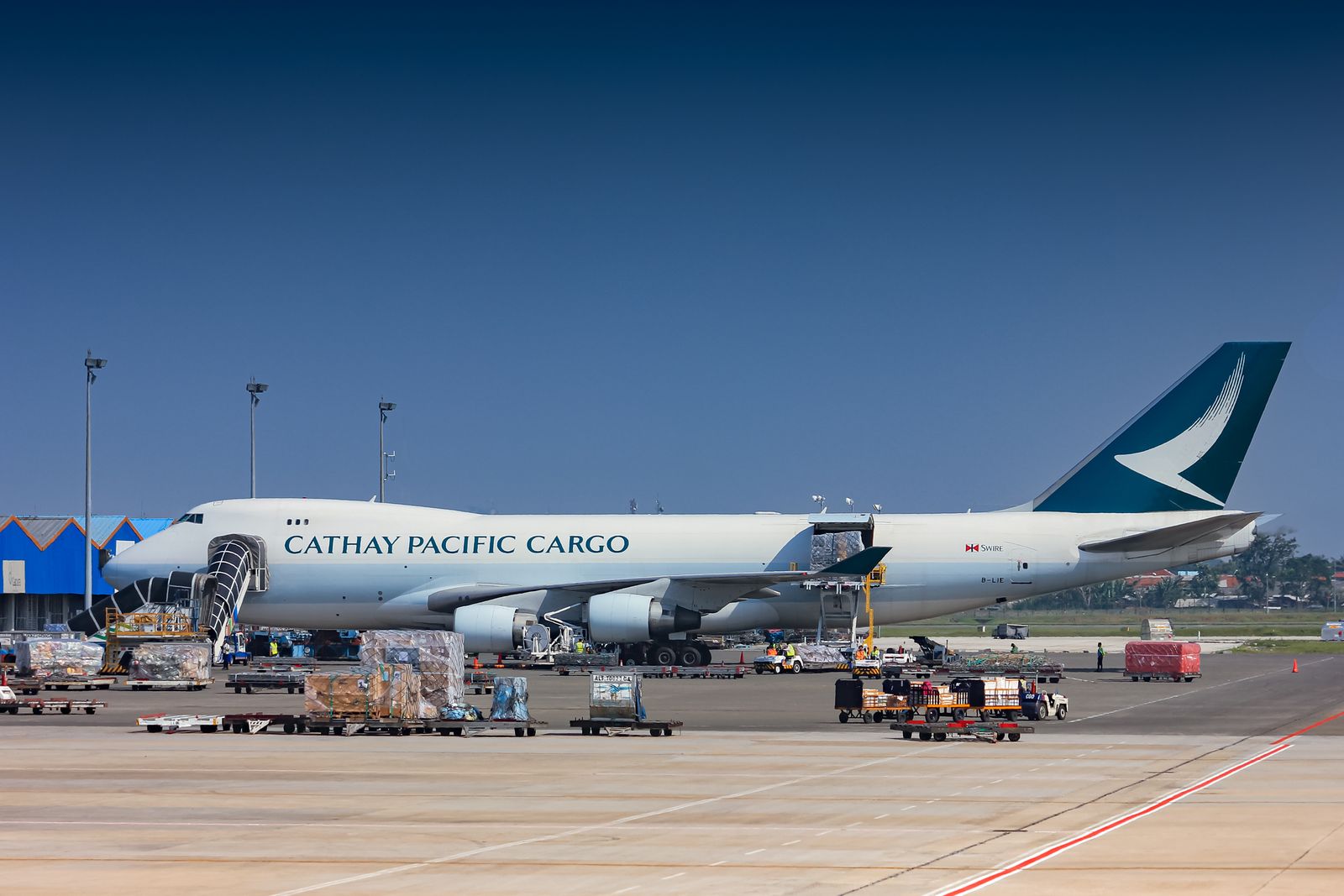
Air transport is the most common method for both types of mortuary shipping, employing specialized cargo services. The cost varies widely, starting from a few thousand dollars to upwards of $10,000, influenced by factors such as distance, the weight of the shipment, and the additional services required like embalming or cremation.
Navigating the paperwork is another critical aspect. You’ll need a death certificate, embalming certificate (for full body repatriation), and sometimes a no contagious disease affidavit among others. Plus, each country has its own regulations, making it crucial to work with a funeral director who’s experienced in international shipping.
In a nutshell, mortuary shipping is all about understanding the logistics, the paperwork, and the costs involved. It’s a sensitive and emotionally taxing time, but knowing these basics helps in making informed decisions for bringing a loved one home.
Legal Requirements and Documentation for International Mortuary Shipping
When shipping a loved one’s remains internationally, you’re stepping into a web of legal requirements that vary widely by country. At the core, you’ll need a death certificate, a “non-contagious disease” letter from a medical professional, and an embalming certificate to kick things off. But that’s just scratching the surface. Every country has its own set of rules. For instance, some countries demand a consular seal on the documentation, which involves a trip to the deceased’s home country’s consulate. You’ll also need a permit for the transit of human remains, and this is where things get a bit sticky. The documentation needs to be in order, meticulously detailed, and often translated into the destination country’s language. It’s not just about ticking boxes; it’s about ensuring respect and care for the departed while navigating an international bureaucratic maze. Remember, the aim is to meet all legal requirements to prevent delays or denial of transport. It’s a delicate balance of paperwork, timing, and respect.
The Role of Customs and Border Protection in Mortuary Shipping
Customs and Border Protection (CBP) play a critical role in mortuary shipping when it comes to moving a body across international borders. Essentially, they ensure that all documentation is in order, including death certificates and embalming reports, and that the process respects both health regulations and the dignity of the deceased. To get through customs smoothly, the funeral home or mortuary services involved must adhere to a strict set of standards. They need to secure a Consular Mortuary Certificate if transporting the body to another country, and any coffin or shipping container must meet CBP requirements to prevent the spread of disease. Also, they have to confirm that the shipment does not violate any local laws of the country where the deceased will be sent. This process makes sure that while the dead are moved between countries, everything is legal, respectful, and safe.
Choosing a Mortuary Shipping Service Provider
When you’re dealing with the tough time of arranging the transport of a loved one’s remains across borders, picking the right mortuary shipping service is crucial. You want someone reliable, respectful, and with know-how. First, check their experience. A company that’s been around knows the ropes—they’ve dealt with customs and international laws before. Second, look at their networks. A good provider has connections with funeral homes and authorities worldwide, ensuring the process runs smoothly. Third, consider their communication. In times like these, you need clear, prompt answers. A service that keeps you updated is invaluable. Lastly, compare costs. Prices can vary widely, so get quotes and understand what’s included. Don’t just pick the cheapest; ensure they offer the quality and respect your loved one deserves.
Cost Factors Involved in Mortuary Shipping
When it comes to shipping a loved one’s remains across borders, the costs can vary widely. Several factors play into the final price you’ll pay. First, there’s the distance. Longer distances mean higher costs, plain and simple. Then, you have to consider the type of service you opt for. Want a simple transfer with minimal services? That’s going to cost less than if you choose a package that includes visitation or a memorial service abroad. Airlines have their own rates for mortuary shipping, and these can differ greatly. You’re also looking at the price of the casket or urn, and international regulations might require specific types. Add in the paperwork fees. Each country has its rules, and navigating these legal waters often means hiring experts, which adds to the bill. Lastly, don’t forget about the destination country’s customs fees and any potential consulate fees. The bottom line is, the cost is influenced by distance, service type, airline fees, casket or urn type, paperwork, and additional international fees. Each element adds up, making it crucial to get a detailed estimate upfront.
Preparing the Deceased for International Transport
When it’s time to ship a loved one’s body across borders, there are several key steps involved to ensure everything goes smoothly. First, you have to get a death certificate from the place of death. This document is non-negotiable. Next, embalming is typically required for international transport. This process preserves the body during the journey. Not all countries demand embalming, but it’s standard practice for long distances.
You’ll also need a special sealed casket or a metal transfer case, as most airlines and countries have strict regulations about the transport container. Plus, there’s paperwork—a lot of it. Think permits for international transport and consular services if dealing with different countries’ laws.
Each country has its own set of rules for receiving deceased persons, so it’s vital to consult with professionals who specialize in mortuary shipping. They’ll handle the logistics, from paperwork to transport, easing the burden during a difficult time. Remember, planning and professional help are key when preparing a deceased loved one for international transport.
Common Challenges in Mortuary Shipping Across Borders
Mortuary shipping across borders isn’t straightforward. It’s tangled with red tape, cultural norms, and logistical hurdles. Firstly, there’s the paperwork. Each country has its rules about how death is documented and what paperwork is necessary to move a body across its borders. You’re looking at death certificates, embalming certificates, and sometimes a consular seal from the embassy. It’s paperwork galore, and one slip can delay the process.
Then, consider the packaging standards. Not every country agrees on how a body should be prepared for transport. While one country may require a sealed casket, another might insist on a zinc-lined coffin. The rules can be vastly different and strictly enforced.
Customs and quarantine are another beast. Some countries have a lengthy quarantine process for mortal remains to ensure no diseases are being introduced. This can add days, if not weeks, to the shipping timeline.
Lastly, the cost. Shipping mortal remains is expensive. The price tags are hefty, scaling with distance and the level of bureaucracy involved in both the sending and receiving countries. Costs can balloon unexpectedly with delays or additional requirements.
Navigating these challenges requires expertise, patience, and often, assistance from professionals who specialize in international mortuary shipping. It’s a complex process but understanding these common hurdles is the first step in managing them.
Cultural and Religious Considerations in Mortuary Shipping
When we talk about moving the deceased across borders, we must respect cultural and religious beliefs. Different cultures and religions have specific rites and rituals for handling, transporting, and burying the dead. For example, some cultures require burial within 24 hours, while others involve elaborate ceremonies that can last several days. In Islam, the body is washed and shrouded before burial, and in many cases, it needs to be facing Mecca. Jewish traditions also call for quick burial, and the deceased is often buried in a simple pine coffin in accordance with simplicity and humility principles. Understanding these practices is crucial because failing to honor them can cause distress and offense to the bereaved families. Transporting companies work closely with cultural and religious leaders to ensure practices are correctly followed, demonstrating respect for the deceased’s heritage and the grieving family’s wishes. This sensitivity and adherence to cultural and religious norms are foundational in mortuary shipping, ensuring that the final journey respects the departed’s beliefs and traditions.
Conclusion: Navigating Mortuary Shipping With Care and Respect
When it comes to moving a loved one’s remains across borders, understanding the rules and processes is crucial. It’s more than just paperwork; it’s about ensuring that a loved one’s final journey is handled with the utmost care and respect. Every country has its regulations, and failure to comply can result in delays or complications. Typically, you’ll need a death certificate, embalming or cremation certificate, and sometimes a consular seal. Choosing a reputable service that knows international mortuary shipping rules will ease the burden during this difficult time. Remember, this process isn’t just about logistics; it’s a final tribute to a person’s life, deserving of diligence and sensitivity. Making informed decisions and working with experienced professionals will help navigate through this challenging process more smoothly, making sure your loved one is treated with dignity every step of the way.